Rise Energy secures Texas churches the lowest cost for electricity through its provider network, keeps the lights on when the grid goes down, and pays yearly for the batteries they host. At no cost to the church, so the savings go back into ministry.
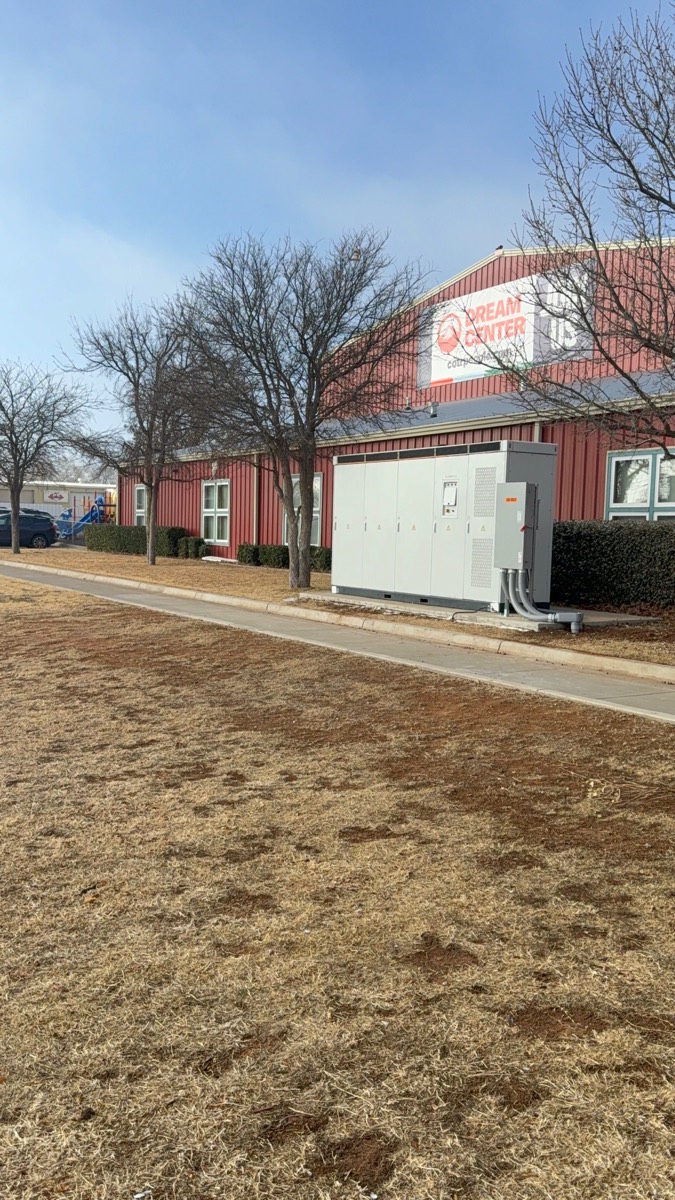
The batteries are funded, owned, and maintained by Rise's battery partner. Your church hosts them, and everything below flows back to your ministry.
$2,000 per battery, every year, in writing. Larger campuses host multiple batteries, so the checks scale with your site.
Rise shops its network of Texas providers to secure your church the lowest cost for electricity, on fixed, all-in pricing. No surprise line items, no rate roulette.
Systems can include guaranteed backup hours, so a grid outage doesn't cancel a service, a school day, or a food pantry shift.
No purchase, no loan, no maintenance contract. The battery partner pays for the system and it's monitored and maintained for you. Your staff never touches it.
A small pad near your electrical service, away from the entrance. No panels on any building, and fencing is added when your city requires it or your committee wants it.
Savings plus hosting income is budget your church controls. Staff, outreach, missions, repairs — money that used to go to the meter.
Church on the Rock joined the program with eight batteries on its campus. The church paid nothing for the systems and its staff doesn't maintain them. Here's what the church receives:
Results are specific to Church on the Rock's campus and usage. Your church's numbers are confirmed in a written proposal after a site review, before anything is signed.
See how much your church could get paid →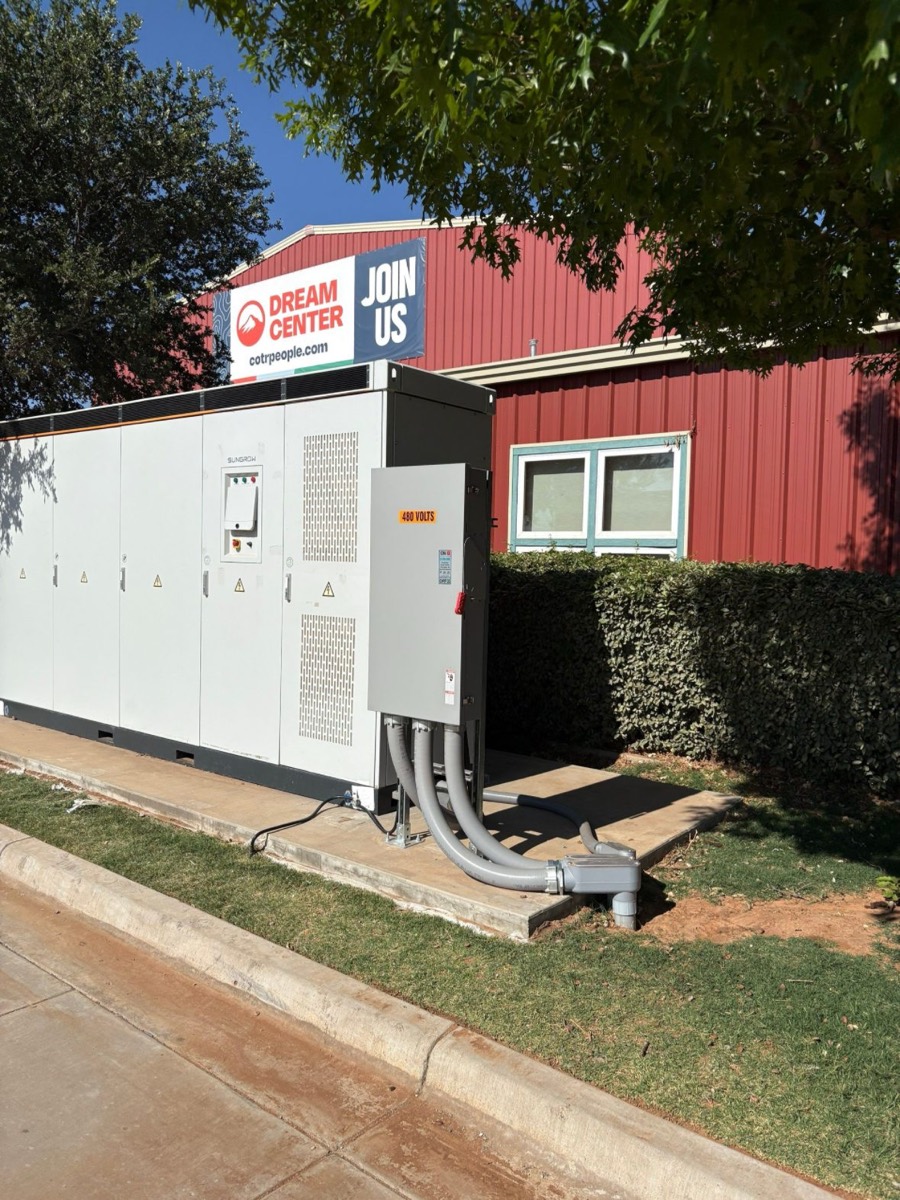
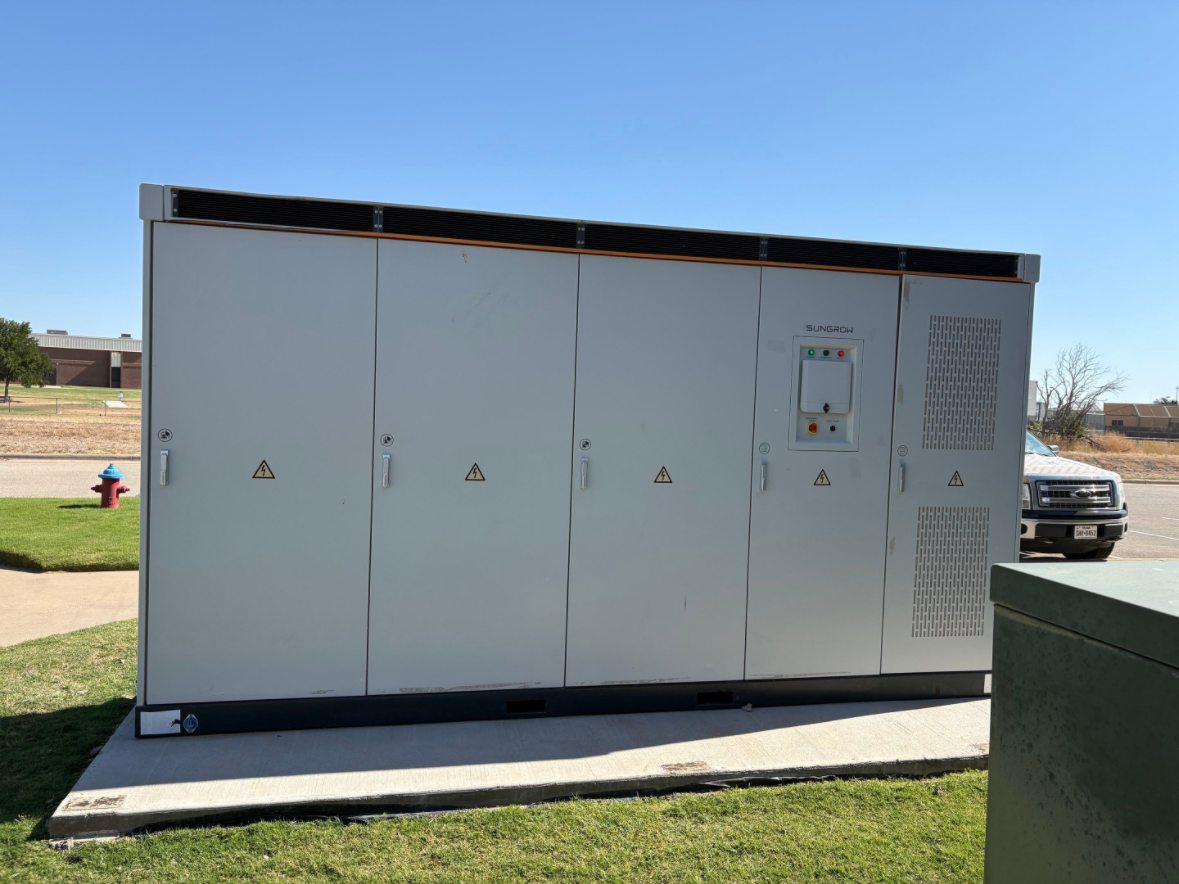
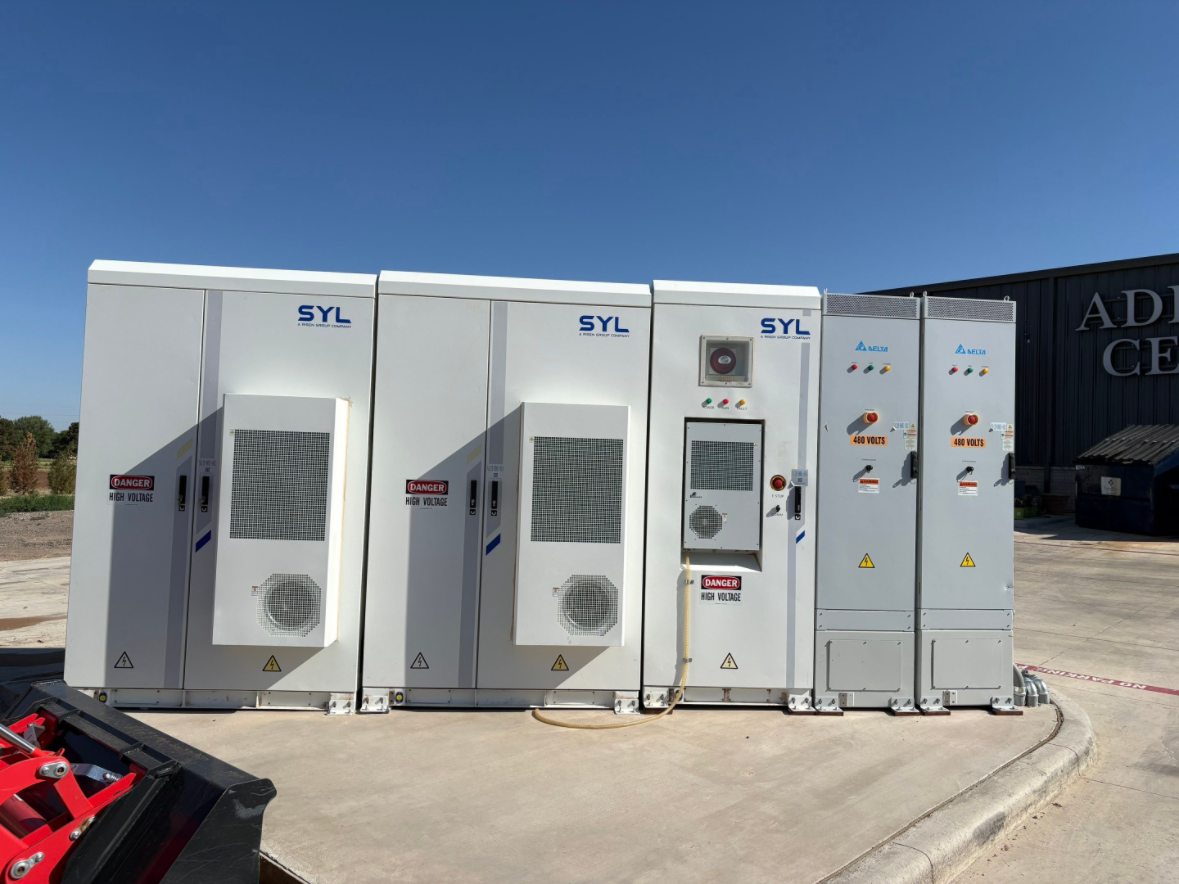
The Texas grid is under real strain. Demand keeps growing, and on the hottest and coldest days the grid needs more flexible capacity than it has. Batteries like this one fill that need: they store energy when the grid has plenty and supply it back in the hours the grid is short.
That grid support is why a battery partner funds the whole system and why your church gets paid to host it. And because the battery sits at your campus, it can also be set up to power your church when the grid goes down.
Your hosting payment is a flat lease amount, every year, in writing. It doesn't rise or fall with energy markets or how the battery performs.
Church decisions are deliberate and shared. This is built to fit that. Clear answers at every step, and nothing signed until your leadership is ready.
A short conversation about your campus. Rise confirms whether your property and electrical service are a fit. No commitment, just a clear yes or no.
Three recent utility bills let Rise run real numbers for your campus instead of guesses. Optional, but it makes your call a lot more useful.
After a site survey, Rise delivers a written proposal with your pricing, payments, and placement. Your committee reviews everything before anything is signed.
Certified crews install around your calendar of services. From then on the system is maintained for you, and your check arrives every year.
These are photos from actual battery installations, not renderings. The battery sits on a small pad away from your entrance, with no panels on the roof. Fencing or wood screening is added when your city or fire department requires it, or simply when your committee prefers the look.
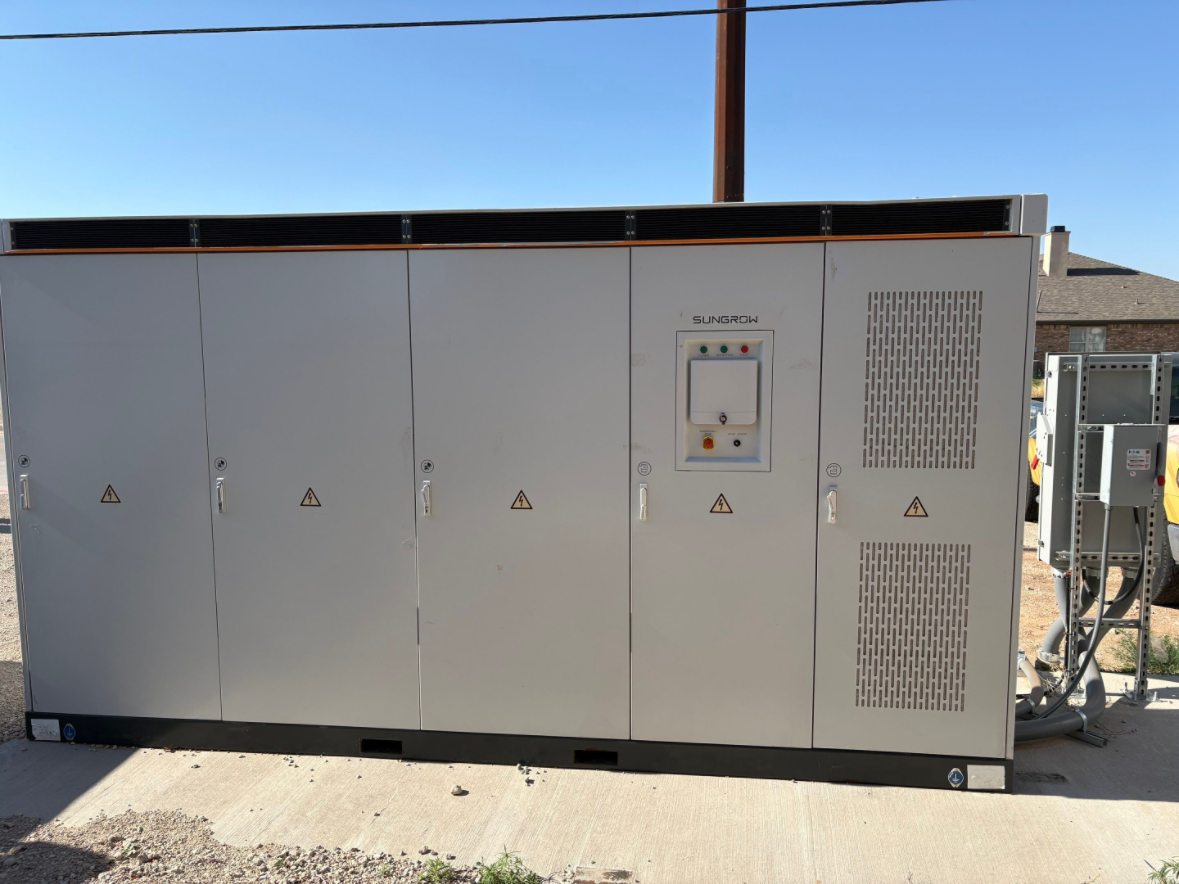
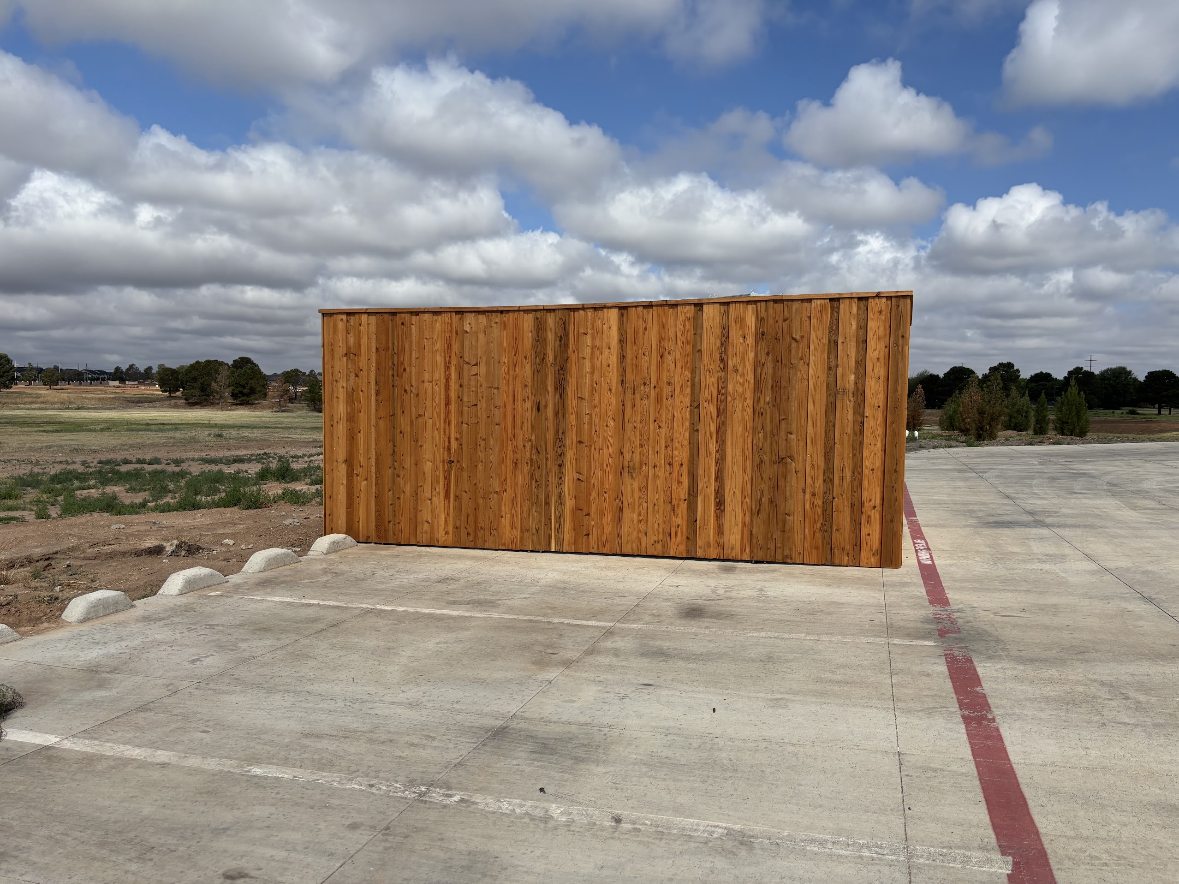
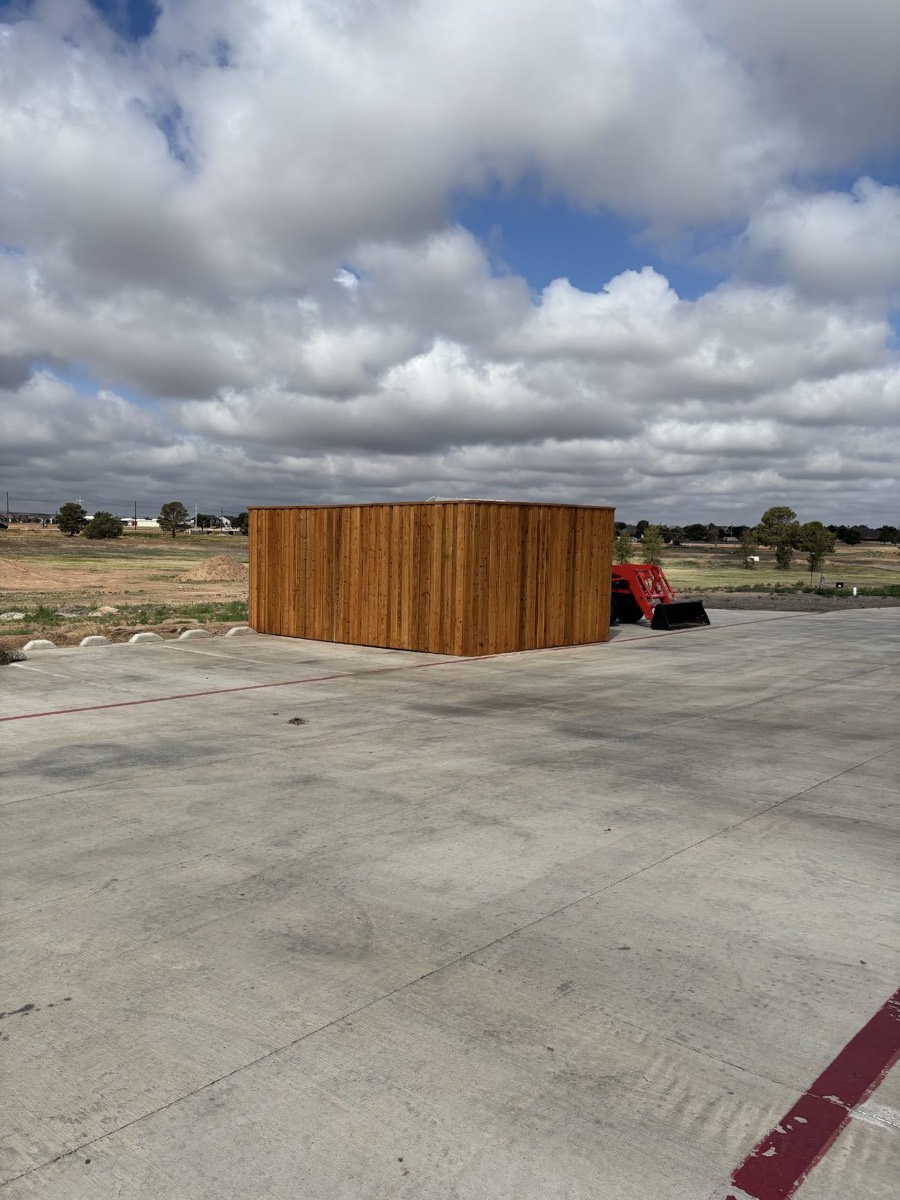
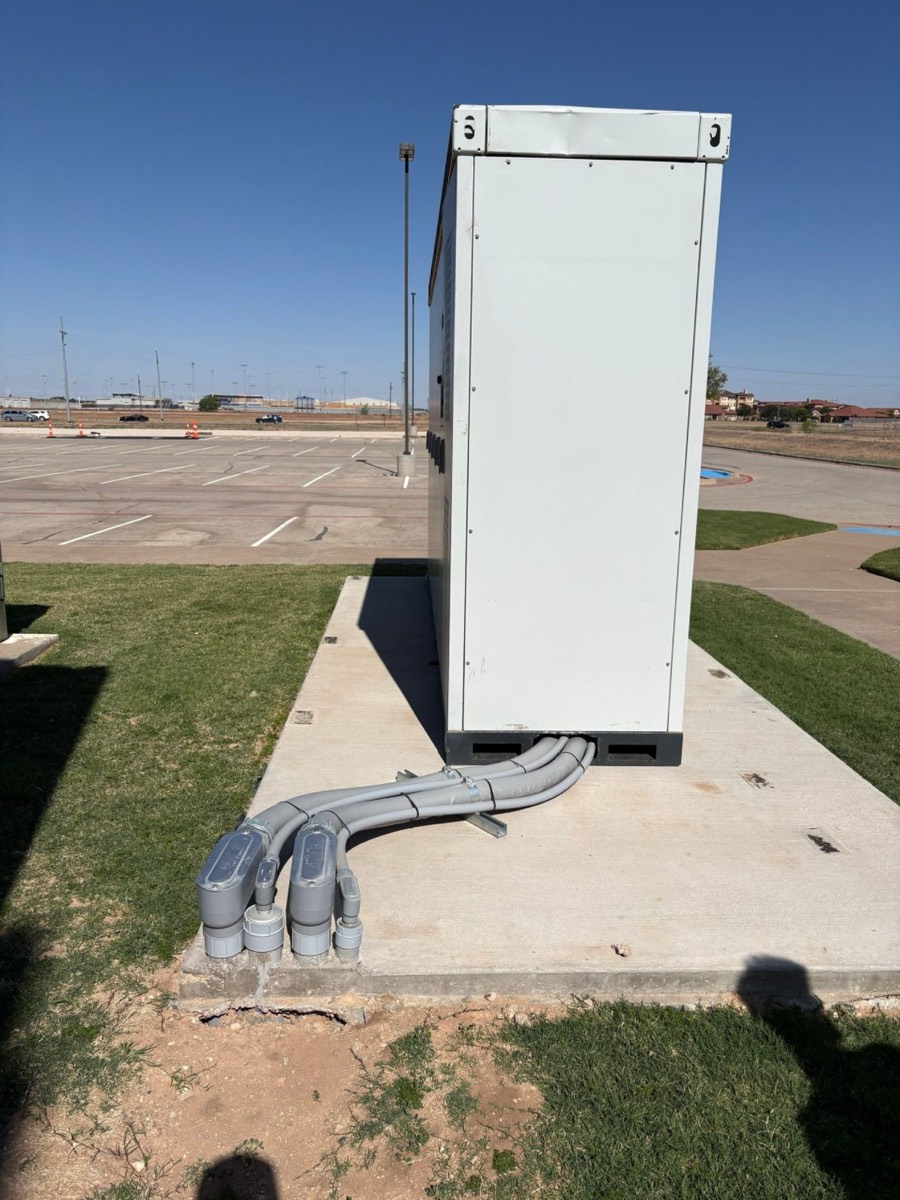
Placed near existing electrical service, out of the way of the sanctuary and main entrance.
An optional wood or landscaped surround, included where city or fire code calls for it or where your team prefers it.
Placement and finish are reviewed with your facilities lead before a single bolt is set.
Still unsure? Get the Rise team on a call and we'll walk your leadership through it.
Schedule a call →Yes. The battery systems are funded by Rise's battery partner, and installation and ongoing maintenance are handled for you. The church hosts the batteries on a small portion of its property and receives the lease payment. There is no purchase, no loan, and no out-of-pocket cost.
There isn't one, and here's why. The Texas grid is in a genuinely challenging spot, and batteries like these fill that need with flexible capacity: stored power, ready in the hours the grid is short. That grid support is what funds the program. It's why a battery partner pays for the system and pays your church to host it. Your payment is a fixed lease amount, in writing, and does not depend on how the battery performs.
Rise's battery partner owns the systems. The partner pays for the equipment and the installation, and the church simply leases them a small pad of ground. Rise manages the program, your energy service, and the relationship with your church from start to finish.
Rise works with a network of Texas retail electricity providers and shops your church's usage across it to secure the lowest cost for your electricity, on a fixed, all-in rate. Rates move daily, so your exact pricing is locked in your written proposal. Between the lower rate and the hosting payments, Church on the Rock came out roughly 30% ahead on its annual energy spend.
Systems can be configured with guaranteed backup hours for your campus. Church on the Rock's installation includes six hours of guaranteed backup, enough to keep services, schools, and ministries running through most Texas outages. Your proposal will spell out exactly what backup your campus gets.
No. There are no solar panels and nothing attached to your buildings. The system is a ground-level battery enclosure sited discreetly on your property, typically near existing electrical service and away from public view. Placement is reviewed with your facilities team before anything is built.
Very little. Schedule a call, share a few recent utility bills so Rise can run your numbers, and have your leadership review the written proposal. Rise handles engineering, permitting, installation, and maintenance from there. After install, your only job is depositing the check.
Agreements run for a set multi-year term, like Church on the Rock's 10-year lease, with clear terms your committee reviews up front. Rise walks through the length, renewal, and end-of-term options in plain language before anything is signed, and your leadership keeps a copy of everything.
The systems are commercial-grade equipment, installed by certified crews to national electrical and fire codes, sited away from buildings and gathering areas, and monitored remotely around the clock. Where city or fire code calls for fencing, it's included. Your facilities lead can review the full safety and siting details before your committee decides.
We have your details for your church. Pick a time below that works for you and a Rise Energy advisor will call you then.
